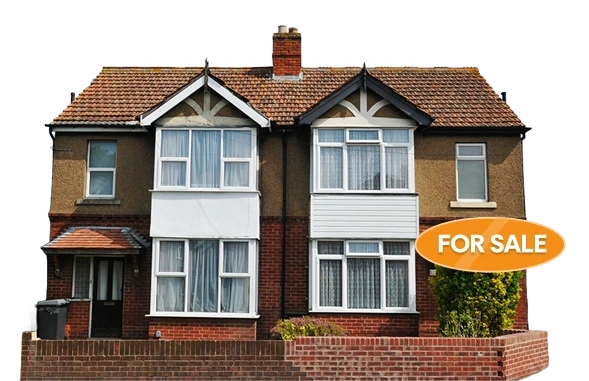
Should You Hold an Open House to Sell Your Home Faster?
Open houses can create competitive energy and help you sell faster, but they are not the right strategy for every property or every market. This guide explains when an open house works best, when individual private viewings are the smarter choice, and how to conduct your own viewings to the highest possible standard if you are selling privately in the UK.

Oliver H.
Oliver covers Midlands property trends and practical selling tips for homeowners. He focuses on clear, jargon-free advice that helps private sellers stay in control.
Introduction: The Case for and Against Open House Viewings
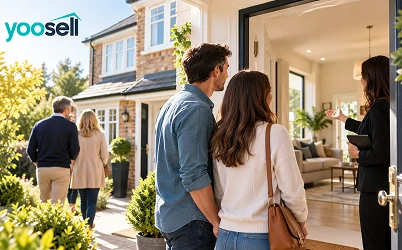
Getting buyers through the door is one of the most important steps in selling your home. Once someone is standing in your hallway, they can start to picture themselves living there. Nothing in your listing description or photography can fully replace that experience. The question for many sellers is not whether to hold viewings, but how to organise them most effectively.
The open house is one approach that divides opinion among UK sellers. Done well, it concentrates buyer interest into a single high-energy event, creates a sense of competition, and saves you from weeks of repeated cleaning and disruption. Done poorly, or chosen in the wrong circumstances, it can leave you with a string of casual visitors who were never serious buyers and no useful progress made.
This guide explains exactly what an open house involves, when it is most likely to help you sell faster, when individual viewings are the smarter choice, and how to conduct your own viewings to the highest possible standard if you are selling privately without an estate agent.
Before deciding on your viewing strategy, make sure your asking price reflects current market conditions. Use the free Valuation Calculator on YooSell to get a data-driven estimate of your property's current market value before you list.
What an Open House Is?
An open house is a scheduled viewing event at which multiple prospective buyers visit the property during a defined time window, typically two to three hours, without individual appointments. Buyers drop in during that window, look around the property, ask questions, and leave without any obligation to book a separate appointment in advance.
How It Differs from Individual Viewings
In a standard private viewing, a single buyer or couple books a specific time slot, arrives alone, and has your undivided attention for the duration of their visit. The experience is personal, private, and unhurried. You can tailor your conversation to their specific questions and interests.
In an open house, multiple visitors arrive during the same window. Some may overlap. You cannot give each person the same level of personal attention. The atmosphere is more like a well-organised show than a private tour. The dynamics are completely different, and so are the outcomes you can expect.
How Long an Open House Lasts
Most successful open house events in the UK run for between two and three hours. Saturday mornings between 10am and 1pm are the most common time slot, because they suit the widest range of buyers including those who work during the week. Some sellers hold a second slot on Sunday morning to capture buyers who could not make Saturday.
Keeping the time window short and clearly defined is deliberate. A compressed window concentrates buyers together in the same space, which creates the visible competition that is one of the open house's main advantages. A loose, all-day open house tends to produce a trickle of separate visitors and loses the energy that makes the format effective.
When an Open House Is Most Likely to Help You Sell Faster
An open house is not a universally effective strategy. Its impact depends heavily on the type of property, the state of the local market, and the level of interest already generated by the listing.
When Buyer Demand Is Strong
The open house format works best when there is genuine demand for your property. If your listing has generated a significant number of enquiries and viewing requests within the first few days of going live on Rightmove, an open house is an excellent way to channel all of that interest into a single concentrated event.
When buyers know they are one of many people viewing the property at the same time, they are more likely to make a decision quickly and pitch their offer competitively. The fear of losing the property to another buyer is a real and legitimate motivator, and an open house makes that competitive dynamic visible in a way that private viewings cannot.
When the Property Has Broad Appeal
Properties that appeal to a wide range of buyers are better candidates for the open house format than those with a more niche appeal. A well-presented three-bedroom semi-detached house in a popular residential area, for example, will attract a diverse group of interested buyers. An open house can showcase that property efficiently to a large number of people in one event.
A high-value, unique, or unusual property is a different proposition. Buyers considering a large period house, a converted barn, or a property with unusual features typically want a quiet, unhurried viewing experience where they can explore in detail and have an extended private conversation with the seller. An open house format does not serve that type of buyer well and can actually undermine confidence in the property.
When the Property Has Been Well Prepared
An open house concentrates multiple pairs of eyes on your property at the same time. Every imperfection, every untidy corner, and every maintenance issue will be noticed by someone. The property must be in genuinely show-ready condition before an open house is held. This means a complete deep clean, all clutter removed, all minor repairs addressed, and the atmosphere carefully set.
If the property is not yet at this standard, holding an open house before it is ready can leave a negative impression with a large number of potential buyers simultaneously, which is worse than holding a small number of private viewings while you complete the preparation.
When You Want to Create Early Momentum
Some sellers use an open house as a launch event timed for the first weekend after the property goes live on Rightmove. Listing the property on Wednesday or Thursday and holding the open house on Saturday maximises the impact of the Rightmove new listing boost, which pushes new properties to the top of relevant searches in the first fourteen days. Buyers who have saved a search see the new listing, note the open house date, and plan to attend.
When Individual Private Viewings Are the Better Choice
The open house is not the right tool for every property or every seller. There are circumstances where individual private viewings consistently produce better outcomes.
When Buyer Interest Is Lower
If your listing is generating modest interest rather than a flood of enquiries, forcing an open house format on a small number of viewers removes the social proof that makes the format effective. A buyer who arrives at your open house and finds only two other visitors does not feel competitive pressure. They feel like the property is struggling to attract interest.
In a slower market or for a property with a more specific buyer profile, private viewings where you give each buyer your full attention and build genuine rapport are more likely to convert interest into an offer.
When Privacy Is Important to You
An open house involves strangers moving through your home, potentially simultaneously, in a way that private viewings do not. If you still have valuable personal possessions, sensitive documents, or simply value having full visibility of each visitor and their identity before they enter, a private viewing arrangement gives you that control in a way an open house cannot.
When the Property Is Still Occupied by Tenants
If you are selling a property with tenants in occupation, organising an open house requires careful coordination and consideration of the tenants' rights. Tenants must be given reasonable notice for any viewing, and their right to quiet enjoyment of the property cannot be overridden. An individual viewing schedule that respects those requirements is usually more workable than an open house format in tenanted properties.
When Your Buyer Profile Is Specific
Some properties attract a very specific type of buyer. A first-floor flat with no outdoor space and no parking in a central location attracts a different profile of buyer than a family home near a good school. If your property suits a narrower group of buyers, targeted private viewings where you can have a more detailed conversation with each visitor tend to be more productive than a broad-invitation open house event.
Preparing Your Home for an Open House
If you decide an open house is the right approach for your sale, the preparation matters enormously. A poorly prepared open house will be noticed by every visitor at once.
The Day Before the Open House
The day before the event, complete a full run-through of every room in the property and address anything that is not ready. Walk through as a buyer would, starting from the street and entering the property for the first time. What is the first thing you notice? What draws your eye negatively?
Declutter Every Surface
Remove everything from kitchen worktops, bathroom surfaces, window sills, and coffee tables. A handful of carefully chosen neutral items is fine. Everything else should be stored away for the duration of the event.
Deep Clean Throughout
Clean every room thoroughly, paying particular attention to kitchens and bathrooms, which receive the most scrutiny. Pay attention to grout, taps, and glass surfaces. A property that smells clean and fresh before buyers arrive creates an immediate positive impression that is difficult to replace.
Address Every Visible Minor Issue
Cracked tiles, dripping taps, stiff doors, and marked walls are all things buyers will notice and remember. The week before an open house is the time to address any minor repairs that have been on the to-do list. The cost of a small amount of filler, fresh paint, and a replacement tap washer is negligible against the impression it creates.
The Morning of the Open House
On the day of the event, give yourself plenty of time to prepare the property in the hours before the first visitors arrive.
Set the Atmosphere
Open curtains and blinds in every room to maximise natural light. Turn on every light in the property, including under-cabinet lights in kitchens and any bedside lamps in bedrooms. Make sure the temperature is comfortable. In winter, ensure the heating has been on long enough for the property to feel genuinely warm before visitors arrive.
Clear Away Personal Items
Move anything that makes the property feel like it belongs specifically to you rather than being a home a new owner can imagine themselves in. Family photographs in prominent positions, children's artwork on every surface, and personal hygiene items visible in bathrooms all reduce a buyer's ability to picture themselves living there.
Consider the Garden and Entrance
The entrance to the property is the first physical impression every visitor forms. Make sure the path is swept, any bins are moved out of sight, the front door is clean, and any plants or borders look tidy. For an open house in particular, where multiple buyers arrive in close succession and some may wait briefly outside, the external presentation matters more than usual.
How to Conduct Your Own Viewings as a Private Seller
If you are selling privately without a traditional estate agent, all viewings are your responsibility to manage. This is true whether you hold an open house or arrange individual appointments. Done well, managing your own viewings is a genuine advantage. You know the property, the neighbourhood, and your own reasons for selling better than any agent ever could.
Confirming the Appointment
Before any viewing, whether part of an open house or private, confirm the buyer's name and contact details. For open house events, you may ask buyers to register in advance through your listing platform so you have a record of who attended. For individual viewings, confirm the appointment the day before and on the morning of the visit.
Greeting Buyers at the Door
Greet viewers warmly and introduce yourself. Invite them in and begin with the most appealing space in the property, whether that is the reception room, the kitchen, or, in some cases, the garden if the weather is good and it is a strong selling point.
Allow buyers to move through the property at a pace that feels natural to them rather than leading them through on a rigid script. Be present and available but do not talk constantly. Buyers need space to think and to have private conversations with whoever they have brought with them.
Questions to Be Ready to Answer
When conducting your own viewings, buyers will ask you questions they might hesitate to ask an agent. Be ready to answer the following honestly and specifically.
Running Costs and Council Tax
Have a clear sense of your approximate monthly gas, electricity, and water bills and know the council tax band for the property. These are among the first practical questions buyers ask.
Why You Are Moving
Be ready with an honest, straightforward answer. You do not need to share personal details, but buyers appreciate a direct response. Moving for work, downsizing, or upsizing are all entirely normal reasons and reassure buyers that the decision to sell is not driven by a problem with the property.
How Long You Have Lived There
Buyers use this to calibrate how much you know about the property and the neighbourhood. A seller who has lived somewhere for fifteen years can speak to the community, the schools, and the local area with genuine authority. Even a shorter tenure allows you to speak to your own experience.
Any Issues with the Property
Be honest about any known issues. You are legally required to disclose material facts about the property in the TA6 form during conveyancing, and misleading buyers during viewings can expose you to a misrepresentation claim later. Speaking openly about any issues you are aware of, and what has been done about them, builds trust and removes the risk of a buyer feeling misled at a later stage.
Following Up After the Viewing
One of the biggest practical advantages of managing your own viewings is that you can follow up directly with every viewer. Contact each buyer within twenty-four hours of their visit to ask for feedback. This does two things. It shows you are responsive and professional, which builds buyer confidence. And it gives you valuable information about how the property is being received.
If multiple viewers have raised the same concern, it is worth taking that feedback seriously. It may indicate a pricing issue, a presentation problem, or a specific feature of the property that needs to be addressed or better explained.
Combining an Open House with Individual Private Viewings
The most effective approach for many sellers is not a binary choice between open house and private viewings but a combination of both.
Using an Open House to Launch the Property
Hold an open house in the first weekend after your property goes live on Rightmove, timed to capture the burst of new listing visibility. This concentrates initial buyer interest, creates competitive energy, and generates useful feedback about how the property is being received in the market.
Following Up with Targeted Private Viewings
After the open house, follow up with serious buyers who want a second visit. Most buyers who are genuinely interested in a property will want at least one private viewing before making an offer. This gives them the unhurried time to examine the property in detail, ask the questions they did not feel comfortable asking in a group, and confirm their decision.
A buyer who attends an open house and then requests a private second viewing is giving you a strong signal of serious intent. Give this buyer your full attention and a thorough, unhurried private experience.
Safety During Open House Events and Private Viewings
When conducting your own viewings, sensible safety precautions are part of good practice.
Asking Buyers to Register in Advance
For open house events in particular, asking buyers to register their name and contact details before attending gives you a record of who is coming and ensures that you are not receiving completely unknown visitors. On YooSell, buyers complete identity verification before they can enquire, which means every viewer who books through the platform has already been confirmed.
Securing Valuables and Personal Documents
Before any viewing, remove or secure any items of significant value, medication, important documents, and anything that contains personal financial or identity information. This is straightforward common sense and applies equally to open house events and individual appointments.
Having Someone Else Present
Where possible, having a trusted friend or family member with you during viewings is a practical safety measure, particularly for evening viewings or where the buyer is unknown. This is easier to arrange when viewings are booked in advance through a platform rather than arranged informally.
How YooSell Supports Your Viewing Process
When you sell through YooSell, the platform is built to support both open house events and individual private viewings without needing an estate agent to manage them for you.
Built-In Viewing Diary
YooSell includes a viewing booking diary that allows buyers to request viewings directly through the platform. You receive the request, review it, and confirm or reschedule through your dashboard. This keeps all viewing appointments organised in one place and removes the back-and-forth of coordinating times through unstructured email or phone.
Verified Buyers Only
Every buyer on YooSell completes identity and financial verification before they can make an enquiry or request a viewing. This means every visitor to your open house or private viewing has been confirmed as a real, financially qualified person. You are not opening your home to unverified strangers.
Rightmove Listing to Drive Viewing Interest
Getting buyers interested enough to request a viewing in the first place depends on your listing reaching the right audience. By choosing the Enhanced or Premium plan on YooSell, your property is listed directly on Rightmove, the UK's largest property portal. Visit the YooSell Rightmove page for full details on how it works.
Tools to Prepare Your Pricing and Finances
Use the free Mortgage Calculator on YooSell to help buyers understand their monthly repayment position when they enquire, which encourages more committed viewing requests. The free Cost Saving Calculator on YooSell shows you exactly how much you keep from the sale by selling without agent commission.
See the full process from listing to completion on the How It Works page or explore plan options on the Pricing page.
Frequently Asked Questions
Read Our Blog
Tips, insights and expert advice to help you sell smarter.
Should You Sell Your House or Rent It Out? How to Decide
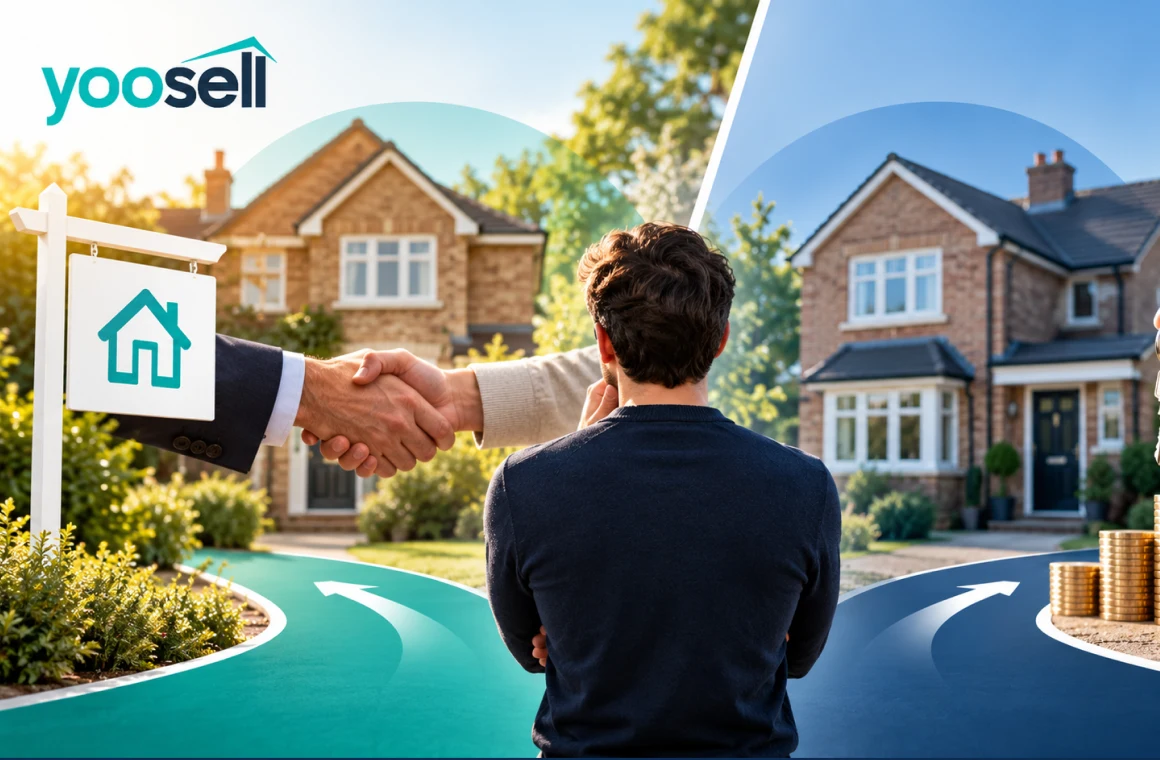
Should you sell your house or rent it out in 2026? Selling gives you a CGT-free lump sum if it's your main home and clean break from landlord obligations under the new Renters' Rights Act. For most homeowners selling their main residence, the combination of CGT relief, a certain lump sum, and the freedom from ongoing landlord duties makes selling the more financially straightforward decision in 2026.
How to Make an Offer on a House and Get It Accepted: Full Buyer Guide
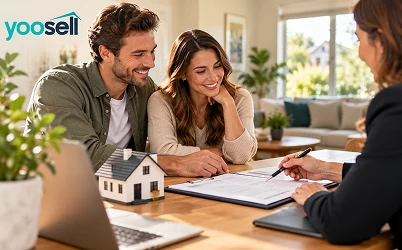
Making an offer on a house in the UK in 2026 typically means starting 5% to 10% below asking price in most markets. The average home sold for 3.5% below asking price in Q1 2026, roughly £18,800 below the advertised figure, according to Zoopla. Research from HomeOwners Alliance found that 39% of buyers negotiated below asking price while 39% paid full price. Alto's analysis of over 905,000 UK offers found the final accepted price averaged £6,000 above the first offer made. Knowing your comparable sold prices, your financial position, and the local market conditions before you offer gives you the clearest possible edge in any negotiation.
Can You Put Up a For Sale Sign When Selling Your House Privately?
You can put up a For Sale sign when selling your house privately in the UK without planning permission as long as the sign meets the deemed consent rules under the Town and Country Planning (Control of Advertisements) (England) Regulations 2007. Residential signs must be no larger than 0.5 square metres and must not be illuminated. Only one sign per property is allowed and it must be removed within 14 days of sale completing. Conservation areas and listed buildings may require advertisement consent from the local planning authority before any sign is displayed. Leasehold properties may also require written permission from the freeholder under the terms of the lease.
Start Selling Your Home Today!
Take control of your sale with YooSell. Get started today and explore how we can help you sell smarter, faster, and with less hassle.