|Reading time: 8 minutes
Nottingham House Prices 2026: What Buyers Should Know

George K.
George specialises in local area insights across Leicestershire and the wider Midlands. He highlights schools, transport, and neighbourhood character for relocating buyers.
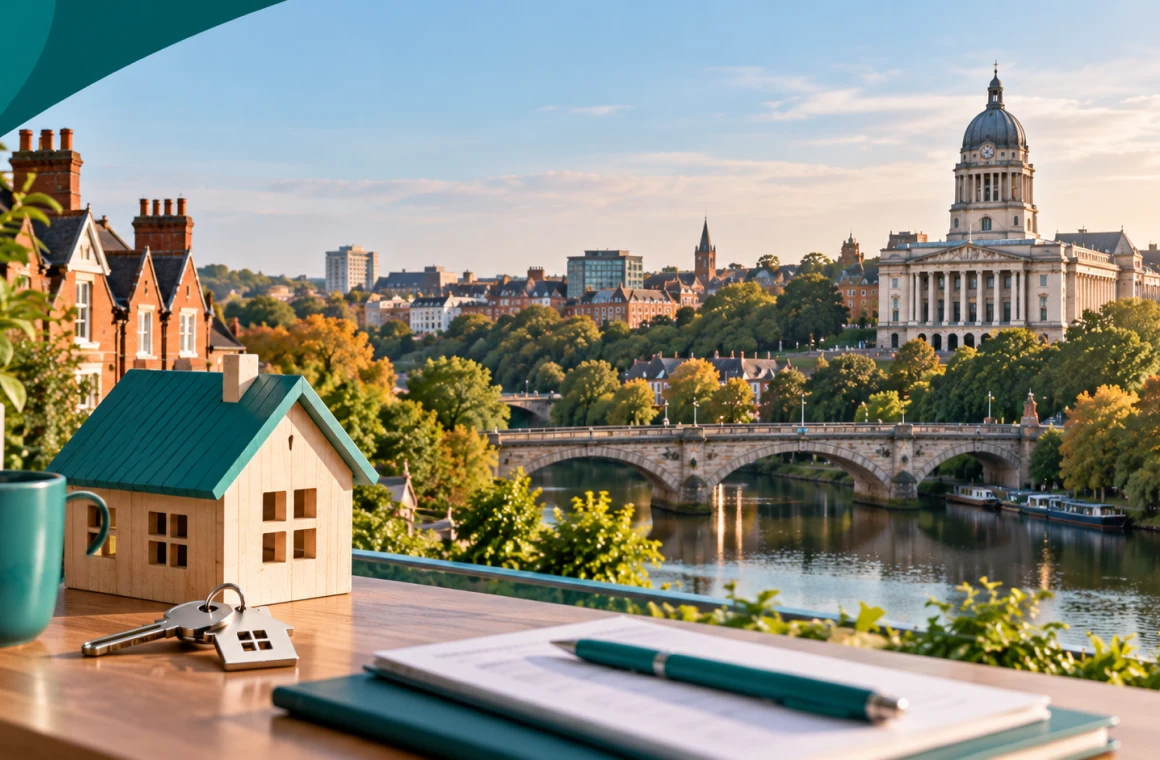
If you are thinking about buying in Nottingham this year, the headline is fairly reassuring: prices have stayed broadly stable, the market is active, and the city remains one of the more affordable places to buy in the East Midlands. According to the ONS UK House Price Index using HM Land Registry data, the average Nottingham house price was £192,000 in June 2026. That figure is almost identical to a year earlier, which tells you a lot about where the market sits right now — steady, not surging. Whether you are a first-time buyer, an investor, or someone relocating, browse current properties listed in Nottingham on YooSell to get a live sense of what is available and what buyers are paying.
What Are Nottingham House Prices Right Now?
The ONS city-level average of £192,000 reflects the city of Nottingham unitary authority area. When you include the wider Nottingham postcode area (covering Rushcliffe, Gedling, and surrounding districts), the picture shifts slightly. According to Plumplot's data covering July 2025 to June 2026, the average property price across the Nottingham city area was £246,000, with a median of £210,000.
Rightmove's sold price data to April 2026 puts the overall average at £226,547, with the majority of sales in the £150,000 to £250,000 range. Prices were 2% above the 2023 peak of £222,084, which points to modest but real recovery from the post-mini-budget dip.
Breaking it down by property type, based on Rightmove sold price data:
Terraced houses have been the most in-demand property type, averaging around £187,292. Semi-detached homes sit at around £231,515, a popular choice for families and upsizers. Detached properties average around £336,916, commanding a significant premium for the space and privacy they offer. Flats tend to sit at the lower end, averaging around £161,000 to £165,000 depending on location, though the ONS noted that flat prices in Nottingham fell by 3% in the year to June 2026.
For first-time buyers specifically, the ONS puts the average purchase price at £177,000 in June 2026, broadly unchanged from the previous year. Home movers paid an average of £229,000. That gap reflects what most buyers already suspect: getting onto the ladder in Nottingham is more manageable than in many other UK cities, but moving up the ladder still costs significantly more.
How Have Nottingham House Prices Changed Over Time?
Over the short term, Nottingham prices have been essentially flat. The ONS recorded a small annual decline of around 0.7% in May 2026, and Plumplot's data for the same period showed a drop of around 2% in the wider postcode area. Neither figure suggests a crash. Both suggest a market pausing rather than falling.
Over the longer term, the picture is more positive. According to SoldPrices.uk, which draws on HM Land Registry data across nearly 55,000 Nottingham transactions over five years, average prices have risen by 18.2% since 2021, climbing from around £252,561 to £277,720 by early 2026. That is a meaningful capital gain for anyone who bought before the pandemic boom.
The short-term flattening makes sense in context. Mortgage rates remain elevated compared to 2020 and 2021, buyer confidence has been cautious, and stock levels have risen, giving buyers more choice. GetAgent's current data shows properties in Nottingham taking an average of 12 weeks to sell and asking prices being reduced by an average of 2.4%. That tells you this is a market where pricing accurately from the start matters more than it did three years ago.
Nottingham House Prices by Area: Where to Look in 2026
The average price conceals a huge range across Nottingham's neighbourhoods. Here is where prices sit across the key areas, based on Plumplot, Rightmove, and local agent data.
West Bridgford (NG2) is consistently the most sought-after suburb. Plumplot puts the most expensive part of the Nottingham city area around NG2 5, with an average of around £442,000. According to Northwood's June 2026 analysis, West Bridgford's school catchments keep buyer demand firm even when the wider market softens. Sellers here typically face motivated buyers who have already done their research.
Sherwood (NG5) has been one of Nottingham's most talked-about growth areas in 2026. It sits below the citywide average on price, but according to Northwood UK's guide, well-presented homes here are selling within 38 to 45 days with multiple viewings. Young professionals and families are drawn to its independent high street and community feel. It is widely described as an area with room to grow.
Mapperley (NG3) attracts buyers wanting larger plots and quieter streets without moving far from the city centre. Prices here are typically above the city average, and demand from buyers being priced out of West Bridgford keeps activity solid.
Lenton (NG7) is Nottingham's premier buy-to-let market, sitting next to the University of Nottingham's main campus. Rental yields in Lenton run between 6% and 8%, driven by the city's combined university population of over 60,000 students across two institutions. For investors, it remains one of the most consistent performers in the East Midlands.
City centre and NG1 is where affordability gaps are widest. The most affordable postcode sector in the Nottingham area is NG1 3, with an average of around £112,000 according to Plumplot, largely driven by apartment stock. However, this area also shows the weakest price growth and has seen the steepest falls in flat values.
Bulwell and Bestwood (NG6) sit below the citywide average but are increasingly on the radar for buyers priced out of NG2 and NG9. Northwood's 2026 analysis notes that regeneration confidence from projects like Fairham and the Broad Marsh transformation is beginning to shift buyer perception in Nottingham's northern suburbs.
For a full breakdown of what makes each Nottingham neighbourhood different, including schools, transport, and what buyers actually care about, read YooSell's Nottingham area guide.
What Is Happening to Nottingham Rents in 2026?
Rents in Nottingham have continued to rise while house prices have stood still, which is changing the buy-versus-rent calculation for a lot of people considering a first purchase.
According to the ONS Private Rents data published in July 2026, the average monthly private rent in Nottingham was £1,011 in July 2026, up 2.3% from £989 in July 2025. That is above the East Midlands average of £918 per month, reflecting Nottingham's stronger rental demand relative to the wider region.
By property type, the ONS recorded average rents of around £834 per month for flats, £988 for terraced homes, £1,054 for semi-detached properties, and £1,300 for detached homes.
For first-time buyers sitting on a deposit, the rising rent picture creates a genuine financial argument for buying sooner rather than later, particularly at Nottingham's price points. A first-time buyer purchasing at the ONS average of £177,000 with a 10% deposit faces monthly mortgage costs that compare reasonably to renting a comparable property in the same area. Use YooSell's Mortgage Calculator to model your own monthly costs based on your deposit size and current rates.
Is Nottingham a Good Place to Buy in 2026?
For most buyers, yes. Nottingham's relative affordability compared to both the East Midlands average of £283,000 and the Great Britain average of £335,000 gives it a genuine structural advantage. You are getting a city with two universities, a functioning tram network, expanding regeneration projects, and an economy spanning healthcare, technology, and financial services, at a price point that remains below the national average.
The short-term price softness is worth acknowledging honestly. Annual growth is close to zero or marginally negative for the city area on the most recent ONS data. Flat prices have fallen slightly. Stock is higher than it was in 2022 and 2023. But none of this signals a structural problem with Nottingham's housing market. It reflects the same national picture of rate-sensitive buyer caution that has softened most UK city markets over the same period.
The longer view is more encouraging. An 18.2% price increase over the past five years, combined with yields of 6% to 8% in student areas, makes Nottingham one of the more compelling investment and owner-occupier markets in the Midlands.
Nottingham House Prices: What the Data Cannot Tell You
Averages are useful, but they hide a lot. A flat in NG1 3 at £112,000 and a detached house in NG2 5 at £442,000 are both in Nottingham. The average of those two tells you next to nothing useful about either.
The most reliable approach for a buyer in 2026 is to focus on comparable sold prices in a specific postcode or street, not the citywide average. Use the HM Land Registry sold price search at gov.uk to check what properties like yours have actually sold for in the last three to six months. Rightmove's sold prices section adds listing photos from the original sale, which helps enormously when comparing condition.
Use YooSell's free Valuation Calculator to get a data-grounded estimate on any Nottinghamshire property before you make an offer or put your own home on the market. Combine it with Land Registry sold data and you have the two most reliable tools available to any UK buyer or seller in 2026.
Conclusion
Nottingham's house price picture in 2026 is one of stability rather than excitement. Prices are broadly flat year-on-year, the market is active but selective, and buyers with realistic expectations and accurate comparable research are in a good position to negotiate well. The first-time buyer average of £177,000 remains accessible by UK standards. Rising rents are making the financial case for buying stronger month by month. And the city's long-term fundamentals — two universities, regeneration pipeline, strong rental demand — remain intact.
If you are buying in Nottingham in 2026, do your postcode-level research, price your offers from sold data rather than asking prices, and be prepared for a 12-week process on average from offer to completion. If you are also selling to fund a Nottingham purchase, see how YooSell works and compare the cost of a fixed monthly listing against a traditional agent's percentage commission on your current property.
Frequently Asked Questions
Start Selling Your Home Today!
Take control of your sale with YooSell. Get started today and explore how we can help you sell smarter, faster, and with less hassle.