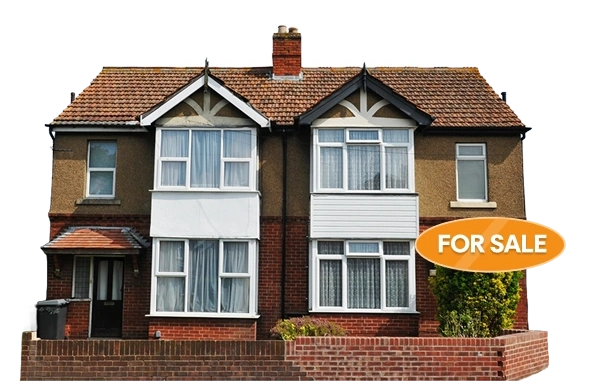
Preparing Your Home for Sale Without an Estate Agent in the UK
Learn how to prepare your home for sale without an estate agent in the UK. Step-by-step guide covering decluttering, repairs, photography, legal documents, and pricing.

Oliver H.
Oliver covers Midlands property trends and practical selling tips for homeowners. He focuses on clear, jargon-free advice that helps private sellers stay in control.
Introduction: Why Preparation Matters Even More When You Sell Privately
Selling your home without an estate agent puts you in control of the entire process. You set the price, manage the listing, handle viewings, and negotiate directly with buyers. That control brings real advantages, but it also means the responsibility for first impressions falls entirely on you.
When an agent markets a property, they bring a degree of professional polish to the presentation. They advise on decluttering, arrange photography, and flag obvious issues before buyers see them. When you sell privately, all of that preparation is yours to manage. Get it right and you present your home at its best to the widest possible audience. Get it wrong and your listing underperforms, viewings generate low offers, and the process takes longer than it needs to.
This guide covers everything you need to do to prepare your home for sale without an estate agent in the UK, from the physical presentation of every room to the legal documents you need in place before your listing goes live. It is written for sellers who want to do this properly, on their own terms, and keep more of their sale price in their pocket.
Before you start preparing, use the free Cost Saving Calculator on YooSell to see exactly how much you save by selling without a traditional agent's commission on your property value.
Understanding What Buyers Look for in 2026
Before you lift a paintbrush or rearrange a room, understand what buyers in 2026 are actually responding to. The UK property market heading into the second half of 2026 is characterised by informed, cautious buyers who research thoroughly before viewing and compare options carefully before offering. They have seen hundreds of listings online before they walk through your door.
What Buyers Notice in Photographs
The vast majority of buyers form their initial impression from listing photographs before they ever visit a property. Research from Rightmove's own data consistently shows that listings with high-quality photographs receive significantly more enquiries than those with poor or limited images.
In photographs, buyers look for:
Clean, bright rooms with natural light
Clear, uncluttered surfaces and floors
A sense of space and flow between rooms
A well-presented exterior and garden
A property that looks maintained, not tired
A property that photographs well attracts more viewing requests. More viewings create competitive pressure that supports your asking price.
What Buyers Notice During Viewings
When buyers walk through a property, they move quickly but notice more than you might expect. Their attention is drawn to anything that suggests the property has not been maintained. Common things that give buyers pause include:
Marks on walls, peeling paint, or scuffed skirting boards
Dampness, musty smells, or visible mould
Dripping taps, stiff doors, or windows that do not open properly
A tired or cluttered kitchen or bathroom
An overgrown or neglected garden
Visible signs of DIY work that was not finished properly
None of these individually kills a sale, but cumulatively they shape a buyer's perception of the property's condition and give them justification to negotiate harder on price.
What Buyers Ask When the Seller Is Present
Selling privately means you conduct your own viewings. Buyers often ask sellers questions they would not ask an agent, because they know you know the property intimately. Be ready to answer honestly and specifically about:
Running costs and utility bills
Reasons for selling
Neighbours and neighbourhood noise
History of any repairs or building works
Any known issues with the property
Honest, specific answers build trust. Vague or evasive answers raise suspicion.
Step One: Declutter Every Room
Decluttering is the single most cost-effective preparation step available to any seller. It costs nothing except time and makes every room in the property look larger, lighter, and more appealing.
How to Approach Decluttering Room by Room
Work through the property systematically rather than trying to tackle everything at once. Start with the rooms that will photograph first: living rooms, kitchens, and main bedrooms.
Living Rooms and Reception Rooms
Remove excess furniture that makes the room feel smaller or blocks natural flow through the space. Clear all surfaces of personal items, ornaments, and stacks of reading material. A handful of tasteful, neutral items on a shelf or coffee table is fine. A surface covered in family photographs, figurines, and remote controls photographs poorly and distracts buyers from the room itself.
Kitchens
Clear worktops entirely. Everything that lives permanently on a kitchen worktop should go into a cupboard for photography and viewings. A single item such as a kettle or a bowl of fruit is sufficient. Clear under-sink cupboards and tidy away any cleaning products visible from the main room.
Bedrooms
Remove excess furniture from bedrooms that makes them feel cramped. A double bed and a wardrobe in a small double room is enough. Adding a chest of drawers, a desk, a clothes horse, and a chair makes the same room feel like a storage unit. If you need to put furniture into storage temporarily, this is worth considering for the duration of the sale.
Bathrooms and Cloakrooms
Clear all personal care items from bathroom surfaces, shower shelves, and windowsills. A clean, minimally styled bathroom looks considerably larger in photographs than one cluttered with bottles, razors, and toiletries. Leave a clean set of matching towels and nothing else visible.
Hallways and Entrance Areas
The hallway is the first space a buyer physically enters. Remove shoes, bags, coats, and any items that make it feel narrow or crowded. A clean, clear entrance sets a positive tone for the rest of the viewing.
Storage for Decluttered Items
If you have more possessions than your property can comfortably accommodate without clutter, consider hiring a storage unit for the duration of the sale. The cost is modest relative to the impact of a better-presented property on your achievable sale price.
Step Two: Deep Clean the Entire Property
A deep clean is not the same as a regular clean. It covers every surface, every fixture, and every corner that accumulates grime in a lived-in home. A professionally or thoroughly cleaned property communicates maintenance and care in a way that buyers register immediately, even if they cannot articulate why.
Where to Focus the Most Effort
Some areas carry disproportionate weight in a buyer's assessment of cleanliness and condition.
Kitchen Deep Clean
The kitchen is often the most scrutinised room in a property. Focus on:
Oven interior, hob, and extractor fan, which are the most neglected surfaces in most homes
Inside cupboards and drawers, which buyers will open during viewings
Grout lines between tiles, which discolour with use and are easy to overlook
Appliances, sinks, and taps, which should be streak-free and descaled
Bathroom Deep Clean
Bathrooms receive intense scrutiny. Priority areas are:
Grout and silicone seals around baths, showers, and basins, which should be clean and mould-free
Taps, showerheads, and fittings, which should be descaled and polished
Toilet, including under the rim and behind the cistern
Any extractor fan covers, which accumulate dust visibly
Windows, Glass, and Mirrors
Clean windows inside and out before photography. Natural light is one of the most valuable features in any property listing, and dirty windows reduce it noticeably. Clean all mirrors and glass surfaces to remove smears and fingerprints.
Carpets and Hard Floors
Carpets that have accumulated years of use should be professionally steam cleaned before photography and the first viewings. Hard floors should be swept and mopped to a finish that shows their quality.
Considering a Professional Clean
A professional deep clean service can transform the presentation of a property in a single day. For larger properties or those that have been heavily lived in, this is a worthwhile investment. Professional cleaners cover areas that most people routinely overlook, including light fittings, air vents, behind appliances, and inside window frames.
Step Three: Address Minor Repairs Before Listing
Minor repair issues signal deferred maintenance to buyers. A single dripping tap is not a problem. A dripping tap, a stiff door handle, a cracked tile, and marks on three walls begin to create a pattern that buyers interpret as neglect. Addressing these issues before listing removes the trigger for that interpretation.
High-Priority Repairs for Sellers
These are the repairs that buyers notice most reliably during viewings and that cost the least relative to their impact.
Paintwork and Walls
Walk through every room and note any marks, chips, scuffs, or peeling paint. Fresh white or neutral paint on a feature wall, skirting boards, and door frames is one of the cheapest and most effective presentation improvements available. Focus particularly on hallways, which carry visible wear from daily use, and children's bedrooms where walls are often marked.
Doors and Windows
Check that every door opens and closes properly, that handles are secure, and that any stiff or squeaking hinges are oiled. Check that all windows open and close without difficulty and that any that are painted shut are freed before viewings. Buyers will try every door and window.
Taps, Toilets, and Plumbing
Fix dripping taps. Replace worn washers. Ensure all toilets flush properly and that the cistern does not run continuously. Check under sinks for any signs of past leaks and repair them. These are inexpensive fixes that have an outsized impact on buyer perception.
Tiles and Grouting
Cracked tiles in kitchens and bathrooms are worth replacing. Replacement tiles do not need to be an exact match in every case. Regrouting around baths, showers, and splashbacks is inexpensive and can make a dated bathroom feel considerably fresher.
Exterior Maintenance
The exterior of the property is the first thing every buyer sees when they arrive. Fix loose gutters, clear blocked downpipes, replace any cracked or missing roof tiles visible from the ground, and repair any obvious damage to fascia boards or rendering. These are not expensive individually and dramatically improve the first impression.
When to Invest in Larger Improvements
Most sellers should focus on presentation and minor repairs rather than significant renovation before a sale. Kitchen and bathroom renovations before a sale rarely return their full cost and risk producing a result that does not match the buyer's taste. The exception is where a specific feature is so deteriorated that it is likely to trigger a survey issue or a significant price reduction. If your boiler is very old and likely to be flagged in a buyer's survey, replacing it before listing may avoid a more disruptive price renegotiation later.
Step Four: Improve Your Kerb Appeal
Kerb appeal is the impression your property makes from the street. For a buyer driving past to check the area before booking a viewing, and for the first photograph that appears in your listing, it matters considerably.
The Front of the Property
Focus on the following before taking any external photographs or accepting viewings:
Clean the front door thoroughly and repaint it if the existing colour is tired or peeling. A freshly painted front door in a clean, confident colour is one of the most consistent pieces of advice from property presenters
Clean all external windows from the outside
Sweep and clean the path, driveway, and any steps
Remove any wheelie bins, recycling boxes, or other items from the front of the property before photography
Clear weeds from path edges, borders, and between paving slabs
Trim any hedges or bushes that overhang the path or obscure the property from the street
The Garden and Outdoor Space
If your property has a rear garden, it will be seen during every viewing and should appear in your listing photographs. A well-presented garden adds real value to a buyer's impression.
Lawn and Planting
Mow the lawn before photography and keep it trimmed for every viewing. Remove dead plants and tidy borders. You do not need a pristine show garden, but a garden that looks neglected and overgrown signals the same lack of care as an untidy interior.
Decking, Patios, and Hard Landscaping
Pressure wash patios, decking, and pathways before photography. This removes years of surface grime and moss in a few hours and makes a substantial visual difference. Repair any loose or broken decking boards or paving slabs before buyers visit.
Outbuildings and Sheds
Clear and tidy any outbuildings, garages, or sheds. If they cannot be tidied sufficiently, keep them closed during viewings and do not photograph them prominently.
Step Five: Create the Right Atmosphere for Viewings
Decluttering and cleaning prepare the property for photography. Creating the right atmosphere during viewings is a separate but equally important step that sellers managing their own viewings can control directly.
Lighting
Turn on all lights inside the property before every viewing, including under-cabinet lights in kitchens and bedside lamps in bedrooms. Even on a bright day, well-lit rooms feel more welcoming and hide shadow areas that can make spaces appear smaller. Replace any failed bulbs before your first viewing.
Temperature
A property that feels cold is unappealing in winter and early spring. Ensure the heating is on before a viewing if the ambient temperature is low. A property at a comfortable temperature communicates that the heating system works and creates a more hospitable first impression.
Scent
Neutral is always the goal. Avoid cooking strong-smelling food immediately before a viewing. Ensure pets are removed from the property if possible and that pet odours are addressed before viewings begin. A freshly cleaned property should smell clean and fresh without any perfume products to mask odours.
Managing the Viewing Itself
Allow buyers to move through the property at their own pace. Walk with them but do not talk constantly. Give them space to look and form their own impressions. Be available to answer questions when asked. Do not fill silences with justifications for features you think they may question.
Step Six: Sort Your Legal Documents Before Going Live
Private sellers who prepare their legal documents before listing are in a much stronger position once an offer is accepted. Having documents ready reduces the time between offer and exchange by weeks in many cases.
Your Energy Performance Certificate
A valid Energy Performance Certificate is a legal requirement before you can market your property on any portal in England and Wales. It must be in place before your listing is published. Check whether a valid EPC already exists for your property using the government's free EPC register. If it has expired or does not exist, commission a new one before listing. Since 15 June 2025, assessors use the updated RdSAP 10 methodology.
Understanding your net proceeds clearly before listing helps frame the financial case for your move. The saving from avoiding traditional agent commission on a typical Midlands sale is significant and worth calculating before you commit to a sale timeline.
The TA6 Property Information Form
The TA6 Property Information Form is completed by the seller as part of the conveyancing process. It covers boundaries, disputes, building works, guarantees, environmental matters, and other material facts about the property. You do not hand it to buyers directly, but completing it accurately before an offer is accepted means your solicitor can issue the contract pack faster once you have one.
Documents the TA6 Will Ask About
Gather the following documents before your listing goes live so you are ready when the TA6 is sent to you by your solicitor:
Planning permissions and building regulations completion certificates for any extensions, loft conversions, or structural work
FENSA or CERTASS certificates for replacement windows or doors installed since April 2002
Gas Safe certificates for any boiler installation or gas work
NAPIT or NICEIC electrical installation certificates for electrical work
Damp-proofing, timber treatment, roofing, or structural guarantees
NHBC Buildmark or equivalent warranty for properties under ten years old
Title Deeds
For registered properties, your solicitor obtains official copies from HM Land Registry. You do not need original paper deeds for the vast majority of sales. If you are unsure whether your property is registered, your solicitor can check this quickly and at minimal cost. Do this before listing so there are no surprises once an offer arrives.
Leasehold Documents
If you are selling a leasehold property, the additional documentation required is significant and should be arranged before or immediately after listing, not after an offer is accepted.
The Management Information Pack
The management information pack, or LPE1, is provided by your freeholder or managing agent. It takes between two and four weeks to arrive in most cases and longer from some managing agents. Request it as soon as you decide to sell. Do not wait for an offer. Waiting adds an entirely preventable delay of several weeks to your conveyancing timeline.
The Lease Document
Locate your original lease or ask your solicitor to obtain an official copy from HM Land Registry. Know how many years remain on the lease. If fewer than eighty years remain, speak to your solicitor before listing about whether a lease extension should be considered before the property goes on the market.
Step Seven: Instruct Your Solicitor Early
One of the most common preparation mistakes private sellers make is waiting until after an offer is accepted to think about conveyancing. Instructing a qualified solicitor or licensed conveyancer before your listing goes live means they can begin gathering title documents and preparing the contract pack in advance, which shortens the period between offer acceptance and exchange significantly.
Through YooSell, sellers can access a full range of property guides covering conveyancing, paperwork, and every stage of the private sale process, so you go into conveyancing fully prepared.
What to Look for in a Conveyancer
When choosing a solicitor for a private sale, look for:
Regulation by the SRA or CLC
A fixed fee quote with disbursements listed separately
A named contact who handles your file throughout
A clear communication policy with regular updates
Step Eight: Set an Accurate Asking Price
No amount of preparation and presentation delivers results if your asking price is wrong. An overpriced property does not attract buyers who would genuinely pay what it is worth. An underpriced property costs you money. Setting the right price requires research, not guesswork.
How to Research Your Asking Price
Use HM Land Registry sold price data to identify what comparable properties in your area have actually sold for in the last six to twelve months. Look for properties that match yours closely in type, size, number of bedrooms, condition, and distance from schools, shops, and transport.
Use the free Valuation Calculator on YooSell as part of your pricing research to get a data-driven estimate based on your specific property and local market conditions.
How Rightmove Price Brackets Affect Your Strategy
On Rightmove, buyers search using maximum price filters in standard increments. Common upper search thresholds include two hundred thousand, two hundred and fifty thousand, three hundred thousand, and three hundred and fifty thousand pounds. Pricing your property just above one of these thresholds can exclude a significant number of buyers whose maximum is set at that level. Understand which bracket your property sits in before finalising your asking price.
Building in Negotiating Room
Most UK buyers expect to negotiate. Setting your asking price slightly above your target allows for negotiation without compromising your bottom line. Avoid setting it so far above market value that serious buyers do not engage, as an overpriced listing accumulates time on market that buyers use to justify lower offers.
Step Nine: Create a Professional Property Listing
Your listing is the primary marketing tool you have as a private seller. On Rightmove and other portals, buyers scroll through dozens of properties quickly. Your listing needs to stop them and prompt an enquiry.
Photography
Photography is the most important element of your listing. Everything else follows from it.
Preparing for Your Photo Shoot
Photograph during daylight hours with as much natural light as possible. Open all curtains and blinds fully. Turn on all internal lights. Clear all surfaces as covered in the decluttering steps above. Remove personal items from prominent positions. Photograph from the corner of each room that makes the space appear largest.
What to Include
Photograph every room, including bathrooms and the kitchen. Include at least one clear external shot of the front of the property. Include the rear garden if it is a selling point. Aim for a minimum of ten photographs for a standard property. Do not include photographs of cluttered, unlit, or untidy spaces.
When to Use Professional Photography
For properties at higher price points or where specific features are difficult to capture well on a phone, professional property photography is worth the investment. YooSell includes AI photo enhancement tools that can improve your own photographs without the cost of a professional shoot.
The Floor Plan
Include a floor plan. Buyers who can see the layout before visiting arrive with a clearer sense of whether the property suits them, which produces better-quality viewings and fewer wasted appointments. Floor plans can be produced inexpensively from specialist services or using dedicated apps.
The Property Description
Write your description in plain, specific English. Cover the size and layout, the number of bedrooms and bathrooms, any recent improvements, the garden and parking, and the location in terms of nearby schools, shops, and transport links. Mention anything positive that photographs do not convey, such as a south-facing garden, a newly fitted kitchen, or a quiet residential road. Avoid estate agent clichés and superlatives that buyers have learned to discount.
YooSell includes AI writing tools that generate professional property descriptions based on the details you enter, which saves time and produces well-structured results.
Getting Your Property on Rightmove
Private sellers cannot upload directly to Rightmove. You need to use a portal-registered listing service. YooSell's Enhanced and Premium plans include a Rightmove listing as standard, giving your property maximum visibility on the UK's largest portal.
Step Ten: Prepare for Viewings and Offers
Getting your listing live is the beginning, not the end, of the active selling phase. The quality of your viewing management and offer handling directly affects your outcome as a private seller.
Responding to Enquiries Quickly
Buyers who enquire and receive no response within a few hours move on to the next property on their list. Set up notifications so enquiries reach you immediately and respond the same day every time. Speed of response converts enquiries into viewing appointments.
Conducting Safe and Professional Viewings
Before the Viewing
Prepare the property as described in the atmosphere section above. Confirm the appointment the day before and on the morning of the viewing. Ensure you know the buyer's name and have a contact number before they arrive.
During the Viewing
Greet buyers warmly. Give them space to look around without constant commentary. Be available for questions. Know the answers to the most common questions: council tax band, approximate monthly bills, what is included in the sale, and why you are moving. Have your property information documents accessible if any detailed question arises.
After the Viewing
Follow up with every viewer to ask for feedback. Prompt, professional follow-up keeps you front of mind for buyers who are deciding between options and gives you valuable information about how the property is being received.
Handling Offers
When an offer arrives, do not respond immediately. Assess the buyer's position, including their financial status, whether they are chain-free, and their preferred timeline. A counter-offer is often the most productive response to a below-asking offer. Keep all communication professional and in writing so there is a clear record of every agreed term.
Use the free YooSell Mortgage Calculator to help buyers who are working out their monthly repayments, which supports their confidence in proceeding and speeds the offer process.
Common Preparation Mistakes Private Sellers Make
Understanding what goes wrong in private sales helps you avoid the same pitfalls.
Going Live Before the Property Is Ready
The first fourteen days of a Rightmove listing generate the highest volume of buyer attention due to the portal's algorithm boosting new listings. Going live with an incomplete listing, poor photographs, or a property that has not been properly prepared wastes this window. Prepare fully before publishing.
Overpricing Based on Emotional Attachment
The amount you paid for the property, the money you spent improving it, or the amount you need for your next purchase are not relevant to what buyers will pay. Price is set by the market. Overpricing based on personal expectations is the most common reason private listings underperform.
Neglecting the Legal Preparation
Many private sellers focus entirely on the physical presentation and marketing of their property and neglect the legal preparation. Missing certificates, a stale EPC, and a solicitor who is not instructed until weeks after offer acceptance all slow the transaction down and increase the risk of the buyer losing confidence and withdrawing.
Conducting Viewings Without Preparation
Buyers who arrive at a dark, cold, cluttered, or unclean property during a viewing form a negative impression that is very difficult to recover from, regardless of what the property's underlying qualities might be. Every viewing is a sales opportunity. Prepare the property fully for every single one.
Selling Your Home Without an Agent with YooSell
YooSell is a self-service home-selling platform for sellers in Leicestershire and the Midlands that gives you full control of your sale from listing to completion, without paying traditional estate agent commission.
What YooSell Provides
YooSell gives you everything you need to sell privately with confidence:
A direct Rightmove listing on the Enhanced and Premium plans
AI-assisted listing tools for photo enhancement and property descriptions
A built-in viewing booking diary so buyers can request and confirm viewings directly
Verified buyer communication: every buyer completes identity and financial verification before they can make an offer
Access to trusted conveyancers directly from your seller dashboard once an offer is accepted
No commission taken at completion, ever
The Cost of Selling Without an Agent
Traditional estate agents charge between one and three percent of your sale price. On a property worth two hundred and fifty thousand pounds, that is between two thousand five hundred and seven thousand five hundred pounds paid at completion. YooSell charges a fixed monthly fee with no commission. The saving on a typical Midlands sale is substantial and you can calculate it precisely before you list.
See the full plan options on the Pricing page or find out how the process works from start to finish on the How It Works page.
Find Verified Buyers on YooSell
Browse verified buyer enquiries and active listings on YooSell to understand what buyers in your area are currently looking for, which helps you present and price your property more effectively.
Frequently Asked Questions
Read Our Blog
Tips, insights and expert advice to help you sell smarter.
Slough House Prices & Property Market Analysis 2026
Slough house prices averaged £334,000 in May 2026 according to ONS data, down modestly from £348,000 a year earlier. The market has softened in the short term, with flat prices falling 7.8% and transaction volumes down significantly. Average monthly rents, however, have risen to £1,572, strengthening the case for buying over renting. The Elizabeth Line puts Slough to Paddington in around 15 minutes, keeping buyer demand structurally strong. For buyers with a medium-term horizon, Slough remains one of the better-value commuter markets in the South East.

Nottingham House Prices 2026: What Buyers Should Know
Nottingham house prices in 2026 are holding steady, with the ONS recording an average of £192,000 in the city area as of June 2026. First-time buyers are paying around £177,000 on average, making Nottingham one of the more accessible cities in the East Midlands. Prices have risen 18.2% over the past five years, despite a brief flat period in 2025 and early 2026. Average monthly rents have reached £1,011, strengthening the financial case for buying over renting. West Bridgford commands the highest prices while areas like Sherwood and Bulwell offer strong value for budget-conscious buyers.
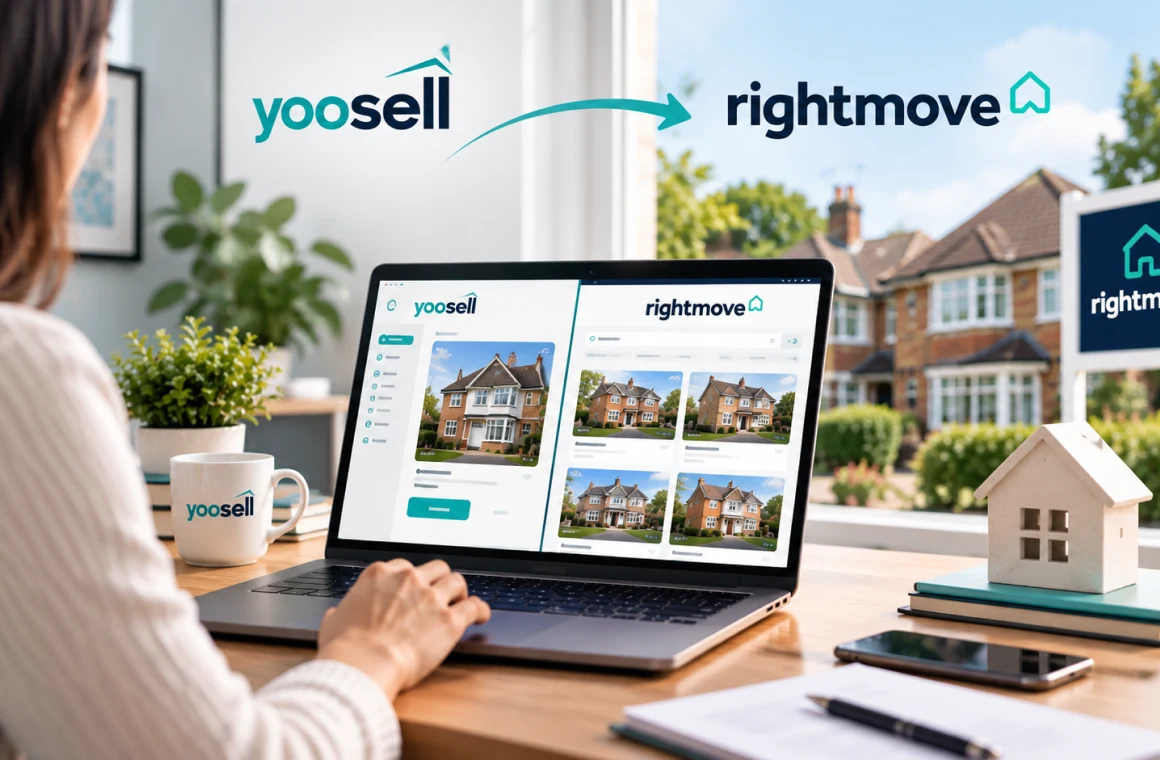
Why YooSell Is the Best Platform in the UK to List Property on Rightmove
You can list your property on Rightmove without an estate agent by using a Rightmove-registered listing platform such as YooSell. Private individuals cannot list directly on Rightmove, but portal-approved services can. YooSell includes Rightmove listing on all three plans from £29 per month, with the first month free, zero commission at completion, and ID-verified buyers as standard. Rightmove receives approximately 52.9 million monthly visits and accounts for around 70% of all time UK buyers spend on property portals, making it the most important portal for any UK seller in 2026.
Start Selling Your Home Today!
Take control of your sale with YooSell. Get started today and explore how we can help you sell smarter, faster, and with less hassle.