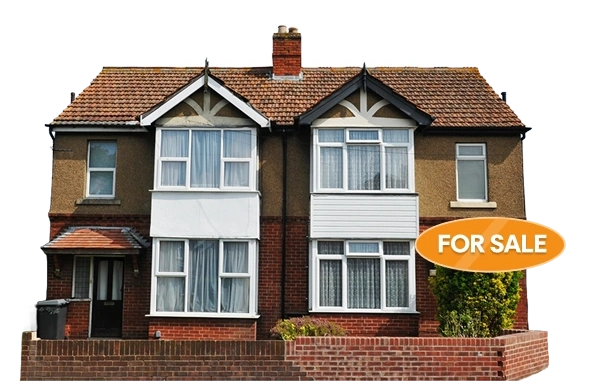
How to Negotiate Offers on Your Home
Negotiating offers on your home is one of the most important skills a seller can develop. This guide covers everything from counter-offers and buyer tactics to managing the process after acceptance, so you sell with confidence and get the outcome you deserve.

Sarah M.
Sarah focuses on pricing strategy, presentation, and getting listings ready for market. She helps sellers present homes clearly without overcomplicating the process.

Accepting the first offer that lands in your inbox can be tempting. After weeks of viewings and waiting, it feels like a finish line. But in most cases, that first figure is rarely the best one you can achieve.
Negotiating offers when selling your home is not about being awkward or greedy. It is about understanding your position, knowing your property's true worth, and responding to buyers in a way that protects your interests without pushing them away.
This guide walks you through everything you need to know about how to negotiate offers on your home sale in the UK, from the moment an offer comes in to the point where you agree terms you are genuinely happy with. Whether you are selling privately or through a platform, these principles apply equally.
What Negotiating an Offer on Your Home Actually Means
When a buyer makes an offer on your property, they are stating the price they want to pay and sometimes the conditions attached to that price. Negotiation is the process of responding to that offer and working towards terms both sides find acceptable.
This can involve the price itself, but it often extends to other factors such as the completion timeline, what fixtures and fittings are included, whether a chain is involved, and how quickly the buyer is able to proceed.
Understanding that negotiation covers all of these elements, not just the headline figure, puts you in a far stronger position from the outset.
The Difference Between a Formal and Informal Offer
In England and Wales, offers made on a property are not legally binding until contracts are exchanged. This means a buyer can revise, withdraw, or add conditions to their offer at any point before exchange. As a seller, you can accept or reject any offer without legal obligation until that same point.
In Scotland, the process works differently. Once a formal offer is accepted through solicitors, both parties are legally bound by a binding contract called a missive. It is worth understanding which legal jurisdiction applies to your sale so you know exactly where you stand.
Why Buyers Offer Below Asking Price
Most buyers open with a figure below your asking price. This is standard practice and not a sign that they are not serious. Common reasons include:
• They want room to negotiate and expect a counter-offer
• They have had a survey done on a similar property and are pricing in potential issues
• They are working within a tight mortgage limit
• The market in your area is moving slowly and buyers feel confident pushing lower
• They are testing whether you are motivated to sell quickly
Knowing this helps you stay calm and respond strategically rather than emotionally.
What to Do Before You Respond to Any Offer
The most common mistake sellers make is responding too quickly. Taking time to assess an offer properly before replying puts you in control of the negotiation.
Know Your Bottom Line Before Listings Go Live
Before you even list your property, decide privately on the minimum figure you would accept. This should account for your outstanding mortgage balance, conveyancing fees, removal costs, and any onward purchase you need to fund. Having this figure fixed in your mind means you will never be caught off guard when an offer comes in.
Use the free Valuation Calculator on YooSell to get a realistic sense of your property's current market value before you set your asking price.
Understand the Buyer's Position
Before responding to an offer, find out as much as you can about the buyer's situation. Key questions to consider include:
• Are they a cash buyer or do they need a mortgage?
• Have they sold their own property, or are they in a chain?
• How quickly are they looking to complete?
• Have they already had a mortgage in principle agreed?
A buyer who is chain-free and ready to proceed quickly may be worth accepting a slightly lower figure for, because the reduced risk of the sale falling through has real value. A buyer in a long chain offering a higher figure comes with greater risk.
Check Current Market Conditions in Your Area
The state of the local property market will directly affect how much leverage you have. In a strong seller's market where demand outstrips supply, you have more room to hold firm or invite competing offers. In a slower market, flexibility may serve you better than standing firm on your asking price.
HM Land Registry publishes regular data on sold prices across England and Wales, which gives you a reliable benchmark for comparable properties near yours.
How to Respond to an Offer on Your Property
Once you have assessed the offer and understood the buyer's position, you have three main options: accept, reject, or counter.
Accepting an Offer
If an offer meets or exceeds your expectations, and the buyer's position is strong, you can accept. Even when you accept, nothing is legally binding in England and Wales until exchange of contracts, so both parties technically retain the ability to renegotiate. This is a reality of the UK system that you should be aware of.
When accepting, confirm your acceptance in writing through your platform or by email so there is a clear record of the agreed terms.
Rejecting an Offer
If an offer is significantly below your bottom line, or comes with conditions you cannot meet, it is entirely reasonable to reject it. You do not need to give a detailed explanation, but a brief and polite response keeps the door open if the buyer wishes to return with a higher figure.
Avoid burning bridges. A buyer who offers low initially may come back with a stronger figure, especially if they genuinely want your property and their circumstances change.
Making a Counter-Offer
A counter-offer is your most powerful tool in negotiation. Rather than simply rejecting a low offer, you respond with the figure or terms you would be prepared to accept. This moves the conversation forward while making your position clear.
When making a counter-offer, keep the following in mind:
• Counter at a figure that is credible and reflects the market, not just a reflexive upward revision
• Be specific about what is included, such as fixtures, fittings, or a preferred completion date
• Give the buyer a reasonable window to respond, typically 24 to 48 hours, to create gentle urgency without pressure
• Keep communication professional and factual rather than emotional
Example of a Strong Counter-Offer
If a buyer offers below your asking price without explanation, a strong counter might be to reduce slightly from your asking price, cite recent comparable sold prices in your area, and note that you have had significant interest and would like to move forward promptly. This positions you as a motivated but reasonable seller.
Handling Multiple Offers and Best and Final Bids
If your property attracts strong interest, you may find yourself managing more than one offer at the same time. This is a fortunate position to be in, but it needs to be handled carefully and fairly.
Letting Buyers Know You Have Competing Interest
You are not obligated to reveal exactly how many offers you have received or what figures other buyers have offered. However, letting a buyer know that you have received competing interest is both legal and common practice. It encourages serious buyers to put their best foot forward.
Be careful not to misrepresent your position. Falsely claiming you have multiple offers when you do not could be considered misleading and may undermine trust.
Inviting Best and Final Offers
When you have multiple interested buyers, you can invite them all to submit their best and final offer by a fixed deadline. This is sometimes called a sealed bids process. Each buyer submits their highest offer without knowing what the others have bid.
When reviewing best and final offers, consider:
• The headline price offered
• The buyer's financial position and chain status
• Their preferred completion timeline
• Any conditions attached to the offer
The highest bid is not always the right choice. A slightly lower offer from a chain-free buyer in a strong financial position may represent less risk and ultimately deliver more certainty.
Avoiding Down-Valuation Risk
If you accept a high offer from a buyer using a mortgage, their lender will instruct a surveyor to carry out a valuation. If that valuation comes in lower than the agreed price, the lender will typically only lend against the surveyor's figure. This is called a down-valuation and it can cause a sale to collapse or require renegotiation.
Setting a realistic asking price from the start and ensuring your accepted offer reflects genuine market value reduces this risk considerably.
Common Buyer Tactics and How to Respond
Buyers, particularly experienced ones, use a range of strategies during negotiation. Recognising these tactics means you are never caught off guard.
The Low Ball Offer
A buyer opens with a figure well below market value, sometimes 10 to 20 percent below asking price. This is often a deliberate anchoring tactic. The best response is a firm but polite counter-offer with clear reasoning, ideally backed by comparable sold prices in your area.
Conditional Offers
Some buyers tie their offer to conditions such as a survey being satisfactory, you including certain items, or you agreeing to a very specific completion date. Assess each condition on its merits. Some are entirely reasonable. Others may be designed to give the buyer an easy exit route.
Gazundering
Gazundering is when a buyer reduces their offer at a late stage, often close to exchange of contracts, when you are psychologically committed to the sale. This is a legal tactic in England and Wales, though it is widely considered unethical.
The best protection against gazundering is to move quickly once an offer is agreed, push for exchange of contracts as soon as possible, and not make financial commitments on an onward purchase until exchange is complete on your sale.
The Survey Reduction Request
After a survey reveals issues, a buyer may come back and request a reduction in the agreed price. This is common and not always unreasonable. If a genuine structural issue has been identified, some adjustment may be fair. However, minor issues that are typical of older properties should not automatically justify a price reduction.
Ask to see the survey report yourself. Get independent quotes for any work mentioned. Respond with evidence rather than simply conceding.
The Role of Timing and Psychology in Home Sale Negotiations
Effective negotiation is as much about timing and mindset as it is about numbers. How you manage the pace of a negotiation can be just as important as the figure you land on.
Avoid Looking Desperate
Even if you are under pressure to sell, avoid communicating urgency to buyers. Sellers who appear desperate invite lower offers and more aggressive tactics. Keep your communications measured and professional throughout.
Do Not Over-Explain Your Reasons for Selling
Sharing too much personal context, such as needing to relocate for work by a specific date or being under financial pressure, gives buyers information they can use against you. Keep your motivations private and focus conversations on the property itself.
Use Silence as a Tool
After making a counter-offer, resist the urge to follow up immediately. Giving a buyer space to think and respond without chasing them creates a natural negotiating dynamic where they feel the need to come back to you.
Know When to Walk Away
Not every negotiation results in a sale, and that is sometimes the right outcome. If a buyer is consistently pushing below your bottom line and showing no willingness to move, withdrawing from the negotiation and relisting can bring in a more motivated buyer. The property market is not static and new buyers enter it every week.
Negotiation After Offer Acceptance
Accepting an offer is not the end of negotiation. In England and Wales particularly, the period between offer acceptance and exchange of contracts can involve further discussions that require the same careful handling.
Managing the Survey Process
Once a buyer instructs a surveyor, any issues identified may lead to further negotiation. Prepare for this by getting your own independent assessment of the property before listing if possible. Knowing what might come up means you can factor it into your pricing from the start rather than being surprised later.
Managing the Legal Process
Your solicitor or conveyancer will handle the legal mechanics of the sale, but questions raised during the conveyancing process can sometimes lead to renegotiation if unexpected issues arise on the title or in the property information forms. Stay responsive and communicate clearly with your legal team to keep things moving.
Keeping Your Buyer Engaged
Sales that drag on are more likely to fall through. A buyer who feels that the process is stalling may start to reconsider. Keep communication open, respond to queries promptly, and work with your legal team to progress towards exchange as efficiently as possible.
Negotiating Offers on Your Home with YooSell
When you sell your home privately through YooSell, you manage the negotiation process directly with buyers, without an estate agent acting as an intermediary. This puts you in full control of every conversation and every decision.
Why Selling with YooSell Puts You in a Stronger Negotiating Position
Traditional estate agents negotiate on your behalf, but their incentives do not always align with yours. An agent who earns a percentage commission has an interest in closing a deal quickly, not necessarily in holding out for the best price. When you sell through YooSell, you are the decision-maker at every stage.
YooSell also gives you access to an AI Offer Negotiation Assistant on the Premium plan, which helps you think through responses, assess offers, and manage the negotiation process with confidence.
Tools That Support Your Negotiation
The Valuation Calculator gives you a realistic view of your property's current market worth, so you are negotiating from an informed position rather than guesswork.
The Cost Saving Calculator shows you exactly how much you keep by selling without an agent's commission, making it easier to understand your true financial position when evaluating offers.
You can also use the Mortgage Calculator and Stamp Duty Calculator to understand the full financial picture before and during your sale.
Verified Buyers Only
Every buyer on YooSell goes through identity verification and proof of funds checks before they can make an offer. This means you are only negotiating with buyers who are financially qualified and serious, which saves time and reduces the risk of a sale falling through.
List on Rightmove Through YooSell
You can list your property directly on Rightmove through YooSell, giving your home maximum visibility on the UK's biggest property portal. More buyer interest means a stronger negotiating position. Find out more on the YooSell Rightmove page.
Get Started
See how YooSell works and explore the pricing options to find the plan that suits your sale.
Frequently Asked Questions
Read Our Blog
Tips, insights and expert advice to help you sell smarter.
Slough House Prices & Property Market Analysis 2026
Slough house prices averaged £334,000 in May 2026 according to ONS data, down modestly from £348,000 a year earlier. The market has softened in the short term, with flat prices falling 7.8% and transaction volumes down significantly. Average monthly rents, however, have risen to £1,572, strengthening the case for buying over renting. The Elizabeth Line puts Slough to Paddington in around 15 minutes, keeping buyer demand structurally strong. For buyers with a medium-term horizon, Slough remains one of the better-value commuter markets in the South East.

Nottingham House Prices 2026: What Buyers Should Know
Nottingham house prices in 2026 are holding steady, with the ONS recording an average of £192,000 in the city area as of June 2026. First-time buyers are paying around £177,000 on average, making Nottingham one of the more accessible cities in the East Midlands. Prices have risen 18.2% over the past five years, despite a brief flat period in 2025 and early 2026. Average monthly rents have reached £1,011, strengthening the financial case for buying over renting. West Bridgford commands the highest prices while areas like Sherwood and Bulwell offer strong value for budget-conscious buyers.
Why YooSell Is the Best Platform in the UK to List Property on Rightmove
You can list your property on Rightmove without an estate agent by using a Rightmove-registered listing platform such as YooSell. Private individuals cannot list directly on Rightmove, but portal-approved services can. YooSell includes Rightmove listing on all three plans from £29 per month, with the first month free, zero commission at completion, and ID-verified buyers as standard. Rightmove receives approximately 52.9 million monthly visits and accounts for around 70% of all time UK buyers spend on property portals, making it the most important portal for any UK seller in 2026.
Start Selling Your Home Today!
Take control of your sale with YooSell. Get started today and explore how we can help you sell smarter, faster, and with less hassle.