|Reading time: 12 minutes
The True Cost of Selling a House in the UK (2026): Every Fee Explained

Olivia G.
Olivia writes buyer-focused guides on viewings, offers, and due diligence. Her articles aim to make private-sale decisions feel more confident and transparent.
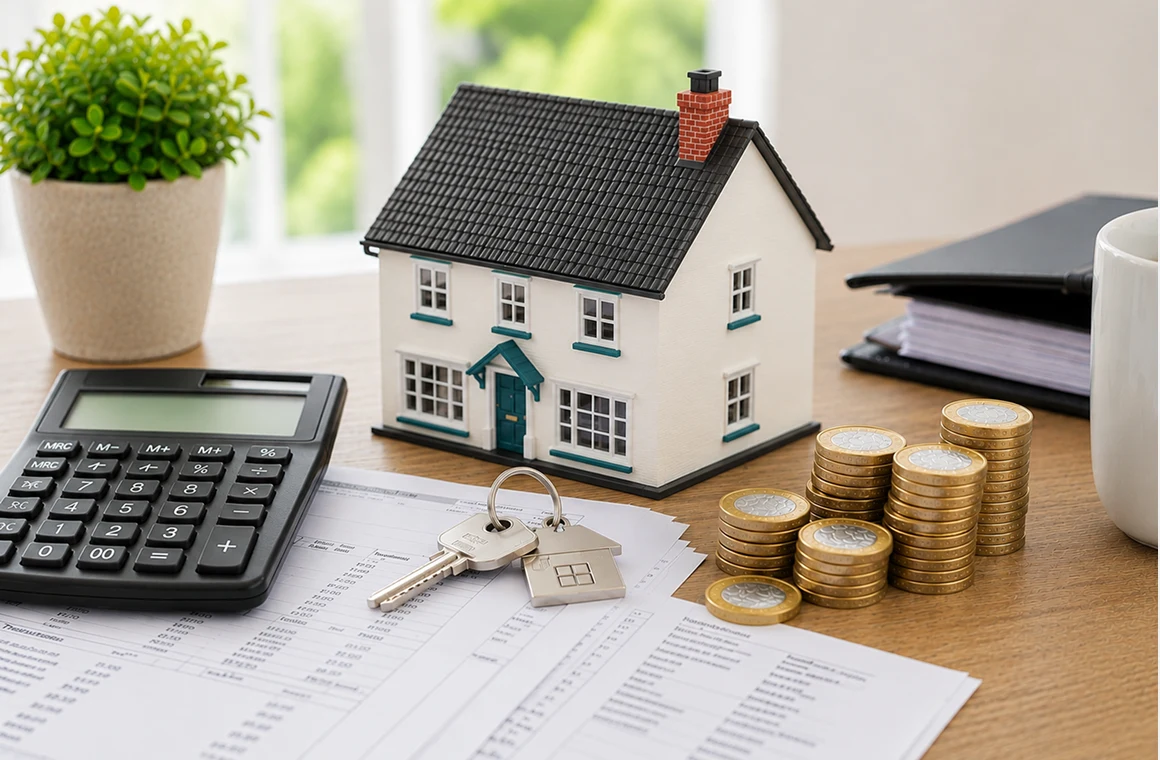
The cost of selling a house in the UK in 2026 typically runs between £5,000 and £10,000 for an average-priced home. The biggest slice comes from estate agent commission, which alone can eat £3,800 to £4,300 on a £270,000 property. Add solicitor fees, your Energy Performance Certificate, and a few costs most sellers never see coming, and the final figure is often a lot higher than people expect.
Here's the thing nobody tells you upfront: not all of these costs are fixed, and several of them are entirely avoidable. In my experience working with homeowners across the Midlands, the sellers who end up keeping the most money are the ones who understand every line item before they list, not after they complete. This guide breaks down every fee involved in the cost of selling a property in the UK in 2026, shows you what's negotiable, and explains exactly where you can cut costs without cutting corners.
What Is the Total Cost of Selling a House in the UK?
The total cost of selling a house in the UK in 2026 is approximately £5,000 to £10,000 for a standard freehold sale, depending on your property's value, your chosen selling method, and whether you have a mortgage to repay. Leasehold properties and homes with early repayment charges on a fixed-rate mortgage can push costs considerably higher.
According to the HomeOwners Alliance 2026 data, the typical total selling cost on an average UK home priced at around £270,000 comes to roughly £5,000, assuming standard estate agent fees, conveyancing, and an EPC. But that figure assumes everything goes smoothly and you've negotiated well. In practice, many sellers spend more.
Here's a full breakdown at a glance:
FeeTypical Cost (2026)Mandatory?Estate agent commission£2,700 to £9,500 (0.9%-3.5% of sale price)If using an agentConveyancing / solicitor fees£1,200 to £2,200 (freehold, inc. VAT + disbursements)YesEnergy Performance Certificate (EPC)£60 to £120Yes (unless valid cert exists)Mortgage early repayment charge1%-5% of outstanding balanceOnly if in fixed-rate periodMortgage exit / admin fee£50 to £300If you have a mortgageRemoval costs£300 to £2,000+OptionalHome staging / pre-sale repairs£500 to £3,000OptionalScotland Home Report£585 to £820 (Scotland only)Yes (Scotland only)
Estate Agent Fees: The Biggest Cost of Selling a House
Estate agent fees are the largest single cost of selling a house for the vast majority of UK sellers. According to a 2026 survey by TheAdvisory covering over 2,000 house sellers, the average high street estate agency fee in the UK is 1.18% plus VAT, which equals 1.42% including VAT. On a £270,000 property, that's around £3,834 going straight to the agent on completion day.
But 1.42% is the average. Many agents quote higher, especially in competitive markets or on premium properties.
High Street vs. Online vs. Self-Sell: Fee Comparison
High street agents typically charge 0.9% to 3.5% of the sale price, on a no-sale, no-fee basis. You only pay on completion. The trade-off is a percentage fee that scales with your property's value, regardless of how much work is actually involved.
Online agents usually charge a fixed upfront fee, typically £500 to £2,000, regardless of whether your home sells. Some offer deferred payment options, but the fee is still owed even if the sale falls through. This model works best for confident sellers in active markets.
Self-sell platforms like YooSell let you list and sell directly to buyers for a fixed monthly fee, with zero commission on completion. YooSell's pricing starts from £49.50 per month, and you keep 100% of your sale price. On a £300,000 property, that's a potential saving of £4,260 or more compared to a 1.42% agent fee.
One critical detail most sellers miss: always confirm whether a quoted percentage includes VAT. An agent quoting "1.2%" actually costs 1.44% after VAT. On a £300,000 sale, that's a £720 difference you weren't budgeting for.
Use YooSell's Cost Saving Calculator to see exactly how much agent commission you'd avoid on your specific property value.
Conveyancing Fees: What Do Solicitors Charge to Sell a House?
Conveyancing fees for selling a house cover the legal work required to transfer ownership from seller to buyer. This is not optional; every UK property sale requires a solicitor or licensed conveyancer to handle the legal process, regardless of how you sell.
For a standard freehold sale in England and Wales, conveyancing fees in 2026 typically range from £1,200 to £2,200 all-in, including VAT and disbursements. Independent research by Property Solvers covering 100 conveyancing firms found the all-in average freehold sale cost was £1,316.52, rising to £1,628.58 for leasehold sales.
What Do Conveyancing Disbursements Include?
Disbursements are the third-party costs your solicitor pays on your behalf and then passes on. For sellers, these are fewer than for buyers, but they can still add up. Common disbursements include:
Office copy entries from HM Land Registry (£3 to £15)
Bank transfer / telegraphic transfer fee (£20 to £50)
Identity verification checks (£20 to £50 per person)
Management pack for leasehold properties (£200 to £500, charged by the freeholder)
Mortgage redemption statement from your lender (usually free, but some charge)
Leasehold properties attract significantly higher conveyancing costs because of the additional legal work around lease agreements, management packs, and liaising with the freeholder. Expect to add £300 to £800 to the freehold estimate.
The key practical tip here: always request a fully itemised quote before instructing. The headline fee rarely tells the whole story.
What Are the Hidden Costs of Selling a House?
Hidden costs are the fees that don't appear in most online guides, yet they catch sellers off guard every single time. In my experience reviewing dozens of completed sale statements, these are the charges that generate the most surprises on completion day.
Here are the ones to watch for:
Early repayment charges (ERCs). If you're on a fixed-rate or discounted-rate mortgage and sell before the deal ends, your lender will typically charge 1% to 5% of your outstanding balance. On a £200,000 mortgage, a 3% ERC is £6,000. Check your original mortgage offer for the exact figure and timeline.
Mortgage exit fee. Separate from an ERC, this is an admin charge for closing your mortgage account. Usually £50 to £300. Small but worth knowing.
Indemnity insurance. If your property has a legal issue (missing building regs, absent landlord, restrictive covenant), your solicitor may recommend an indemnity policy to protect the buyer. These policies typically cost £100 to £500 depending on the risk.
Leasehold management pack. If you're selling a leasehold flat or house, the freeholder or management company will charge you for the pack of documents the buyer's solicitor requires. This can be £200 to £500 and is non-negotiable.
Home staging and pre-sale repairs. Optional, but first impressions matter. Minor cosmetic work, a professional deep clean, and decent photographs can add thousands to your final sale price. Budget £500 to £3,000 if you want to present the property at its best.
Removal costs. Often forgotten until the last minute. A local two-bedroom move might cost £300 to £500. A full-service removal for a larger property, including packing, could reach £2,000 or more.
Do You Pay Capital Gains Tax When Selling a House?
Capital Gains Tax (CGT) is a tax on the profit made when you sell an asset that has increased in value. For UK property, CGT applies when you sell a home that is not your main primary residence.
If you're selling the home you live in, you're almost certainly exempt because of Private Residence Relief (PRR). CGT only becomes relevant for landlords selling a buy-to-let, second home owners, or people who have lived away from the property for an extended period.
For the 2026-2027 tax year, HMRC CGT rates on residential property are 18% for gains within your basic-rate income tax band and 24% on gains above that. Couples who jointly own a property can combine their annual CGT exemptions. Any CGT liability must be reported and paid to HMRC within 60 days of completion using a Capital Gains Tax on UK property account. Late reporting attracts penalties and interest, so don't let this slip.
According to property tax specialist Rebecca Speight of TaxAdviserUK, "Most sellers overlook the fact that you can deduct the costs of both buying and selling the property, including estate agent and conveyancing fees, from the taxable gain. That reduction can make a meaningful difference to the CGT bill."
For individual advice on your situation, speak to a qualified tax adviser before completing your sale.
How Can You Reduce the Cost of Selling a House?
You can meaningfully reduce the cost of selling a property in the UK without compromising the outcome. The savings are available to anyone willing to plan ahead and compare options properly.
Here are the most effective ways to cut costs:
Avoid percentage-based estate agent commission. On a £350,000 property, the difference between a 1% and a 2% fee is £3,500. That's not a rounding error. Negotiate hard, or consider a fixed-fee alternative.
Use a self-sell platform. Services like YooSell let you list your property and manage your sale directly, paying a flat monthly fee instead of a percentage. On most properties, this saves several thousand pounds.
Get multiple conveyancing quotes. Solicitor fees vary enormously for the same work. Requesting three fixed-fee quotes from regulated conveyancers is one of the easiest savings available, often £300 to £500 difference for identical work.
Check your EPC validity. An EPC is valid for ten years. If yours was done in 2017 or later, you may not need a new one. Check before paying.
Time your sale around your mortgage. If you're approaching the end of a fixed-rate deal, waiting a few months to avoid an early repayment charge could save thousands. Check the exact date in your original mortgage offer.
Do targeted pre-sale improvements. A professional clean, fresh neutral paint, and decluttering cost very little but consistently improve sale price and speed. Avoid expensive structural work unless it's necessary for the sale to proceed.
Sell at the right time of year. Spring (March to May) and early autumn (September to October) consistently see higher buyer demand and better final prices in the UK market, according to Rightmove's seasonal data.
Read YooSell's full Property Guides for more practical advice on preparing your home for sale.
How Much Does It Cost to Sell a House Without an Estate Agent?
Selling without an estate agent is legal, increasingly popular, and can save you thousands of pounds in the UK. The cost of selling a property in the UK without an agent depends on which self-sell method you choose.
According to HMRC Property Transaction Statistics, approximately 1.1 million residential transactions completed in 2024. A growing share of these involved sellers who used fixed-fee or self-sell platforms rather than traditional percentage-commission agents.
Here's what the cost breakdown looks like when you sell through YooSell compared to a traditional agent:
Cost ItemTraditional AgentYooSell (Enhanced Plan)Listing / agent fee£3,834 avg (1.42% on £270k)£99.50/month (fixed)Conveyancing£1,200 to £2,200£1,200 to £2,200EPC£60 to £120£60 to £120Removals£300 to £2,000£300 to £2,000Estimated total£5,394 to £8,154+£1,659 to £4,420Potential saving£2,700 to £4,300+
With YooSell, your listing includes a Rightmove placement (on Enhanced and Premium plans), AI-assisted property descriptions, professional photo tools, a direct buyer chat system, and a full viewings calendar. You manage your sale; we give you the tools to do it properly. See how YooSell works.
When Do You Pay Selling Costs: Upfront or on Completion?
One of the most commonly asked questions I get from sellers is about timing. The good news is that most of the cost of selling a house is deducted from the sale proceeds on completion day, not paid upfront.
Here's how the payment sequence typically works:
Your solicitor receives the buyer's funds on completion day
They deduct their own fees and disbursements
They redeem your outstanding mortgage balance (if applicable)
They deduct the estate agent's fee (paid on instruction from you)
They transfer the remaining balance to you
The costs you do need to pay before completion are:
Your EPC (must be obtained before marketing)
Any upfront solicitor payment on account, typically £200 to £500 to cover early disbursements
Online estate agent fees (if applicable, as most charge upfront)
Pre-sale staging or repair costs
So while the total figure looks large, the out-of-pocket requirement before completion is usually modest. The bigger cost comes off the top of your sale proceeds at the end.
Use YooSell's Mortgage Calculator and Stamp Duty Calculator if you're simultaneously buying and need to map out the full picture.
The Cost of Selling a House in Scotland: What's Different?
The cost of selling a property in Scotland follows broadly the same categories as England and Wales, with one significant addition: the Home Report.
In Scotland, it is the seller's legal responsibility to commission a Home Report before marketing the property. This document includes a single survey, a property questionnaire, and an energy report. According to the Royal Institution of Chartered Surveyors (RICS), Scottish Home Reports cost on average between £585 and £820 depending on property size and value.
Scottish conveyancing is also handled differently. Solicitors in Scotland typically handle both the conveyancing and estate agency functions, and fees reflect this combined role. Sellers in Scotland should budget an additional £600 to £1,200 for solicitor/estate agent combined fees compared to equivalent English and Welsh transactions.
For anyone selling in Leicestershire or the Midlands, the English and Welsh rules apply fully. Browse YooSell's Area Guides for region-specific property market insight.
Conclusion
The true cost of selling a house in the UK in 2026 sits between £5,000 and £10,000 for most sellers, but how much of that you actually pay comes down to the choices you make before you list.
The key takeaway is simple: estate agent commission is the largest and most controllable cost in the whole process. On a £300,000 property, the difference between selling through a traditional agent at 1.42% and selling through a platform like YooSell at a fixed monthly fee can be £4,000 or more in your pocket at completion.
Every other cost deserves attention too. Get multiple conveyancing quotes rather than accepting the first number you're given. Check your EPC validity before spending money on a new one. Look at your mortgage terms carefully before setting a completion date. And don't let surprise disbursements, indemnity policies, or leasehold management packs catch you off guard at the last minute.
From years of working with sellers across the Midlands, the single biggest mistake I see is people who focus entirely on the asking price and assume the costs will sort themselves out. They don't. You need to know your numbers before you go to market, not after.
Here's your clear next step. Use YooSell's free Valuation Calculator to get a realistic estimate of your property's value. Then run your numbers through the Cost Saving Calculator to see exactly how much you'd keep by selling without agent commission. When you're ready, list your property on YooSell and keep every pound of your sale price.
Knowing the cost of selling a house upfront is how you stay in control from day one.
Frequently Asked Questions
Start Selling Your Home Today!
Take control of your sale with YooSell. Get started today and explore how we can help you sell smarter, faster, and with less hassle.